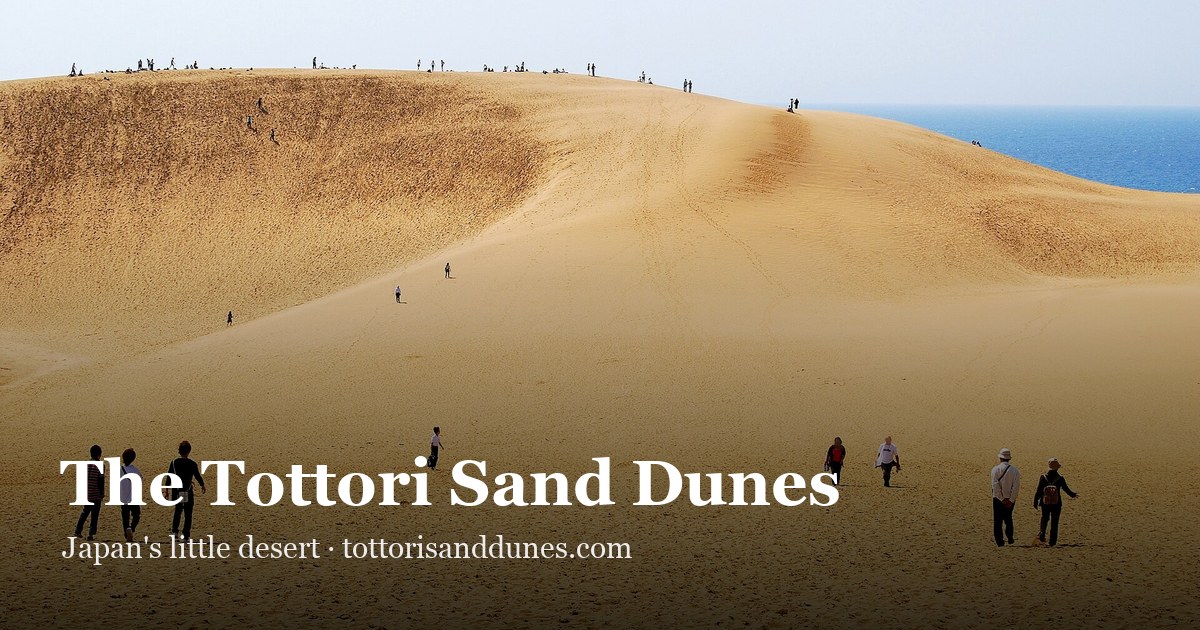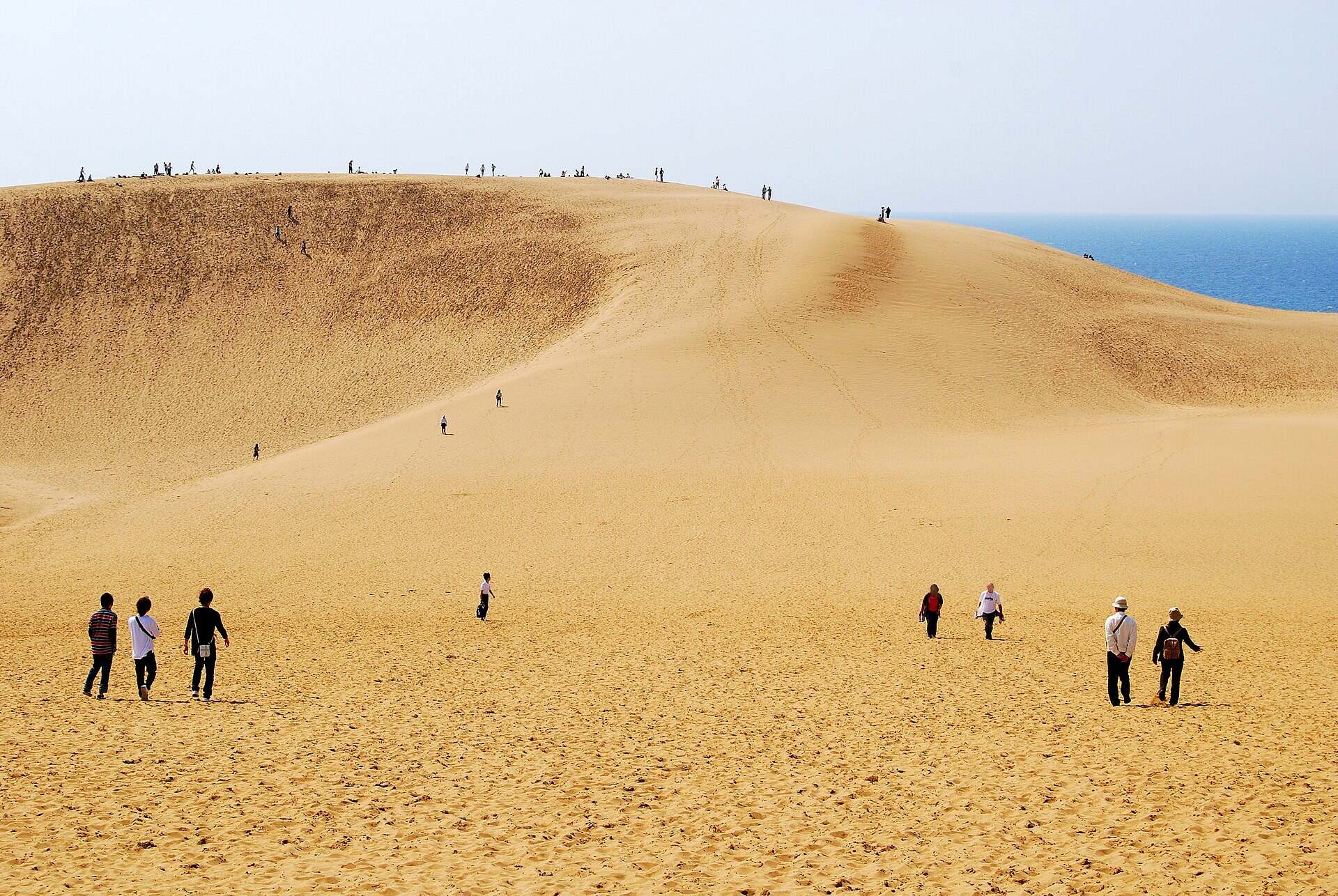
Between pine forest and the Sea of Japan, a hundred thousand years of river sand piles into dunes fifty metres tall: camels at the gate, paragliders on the ridge, snow on the crests in January. The Tottori dunes are Japan's strangest landscape and the San'in coast's front door. Here is the whole day, and the coast beyond it.
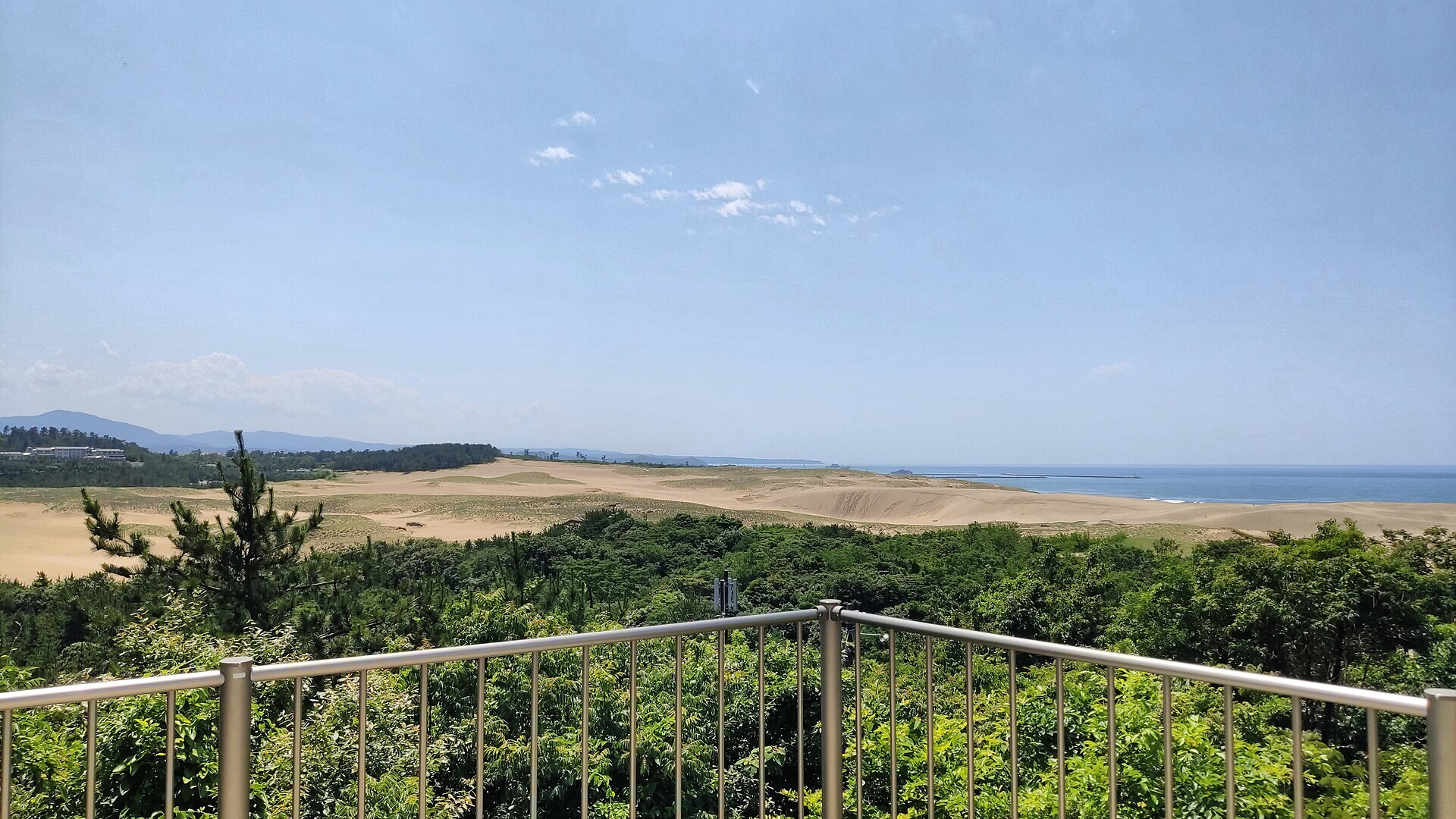
The Sendai river has spent a hundred millennia hauling volcanic sand from the Chugoku mountains to this shore, and the wind has spent the same time sculpting it. The result is Japan's only large dune field, protected, wind-rippled, and constantly redrawn.
The main bowl and the 50-metre "horse's back" ridge are a twenty-minute climb; everything else on this coast radiates from that summit view.

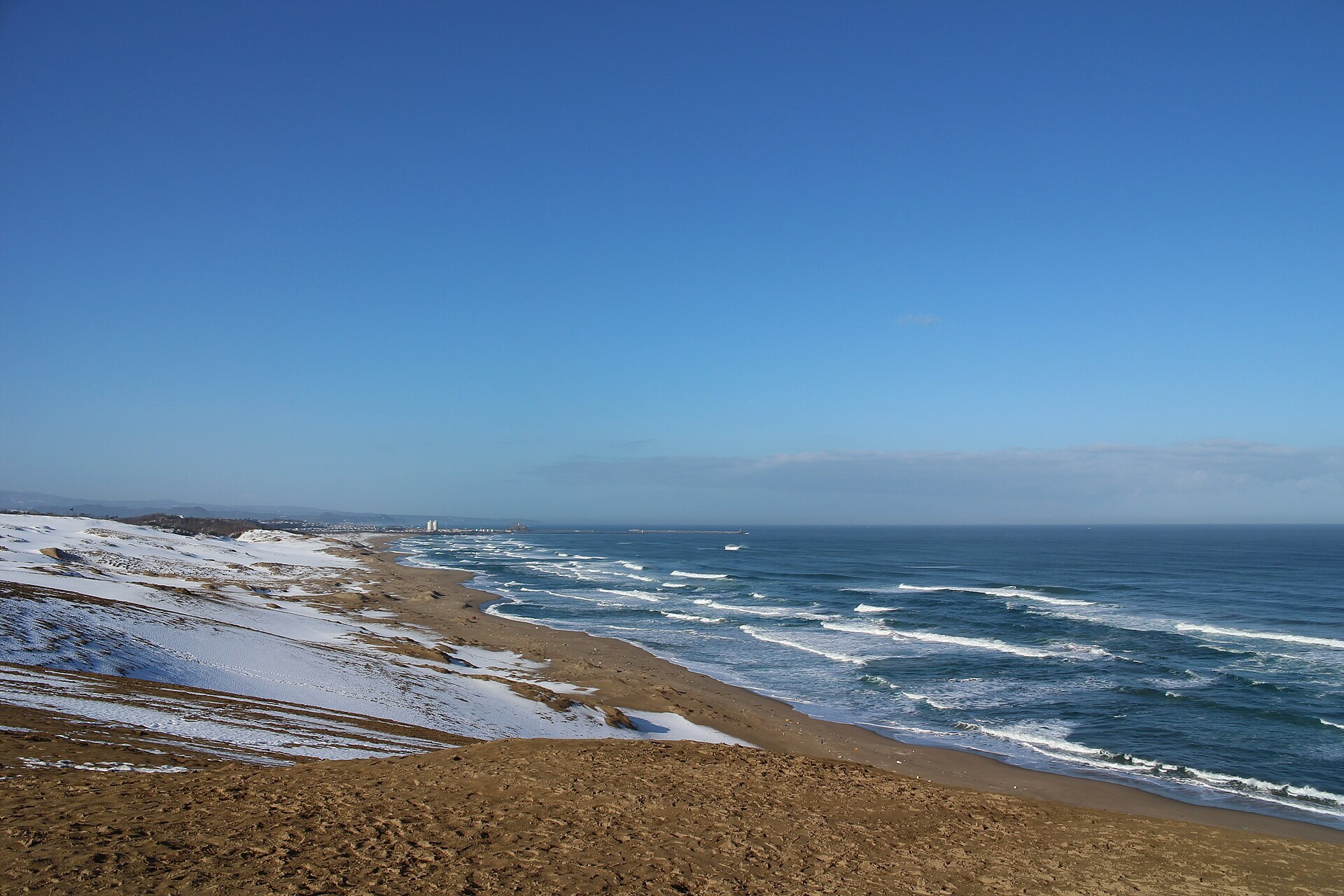
Climb the main ridge and the reward is the inversion no photo prepares you for: a desert horizon that ends in surf. Dawn gives untracked ripples; dusk gilds the bowl.

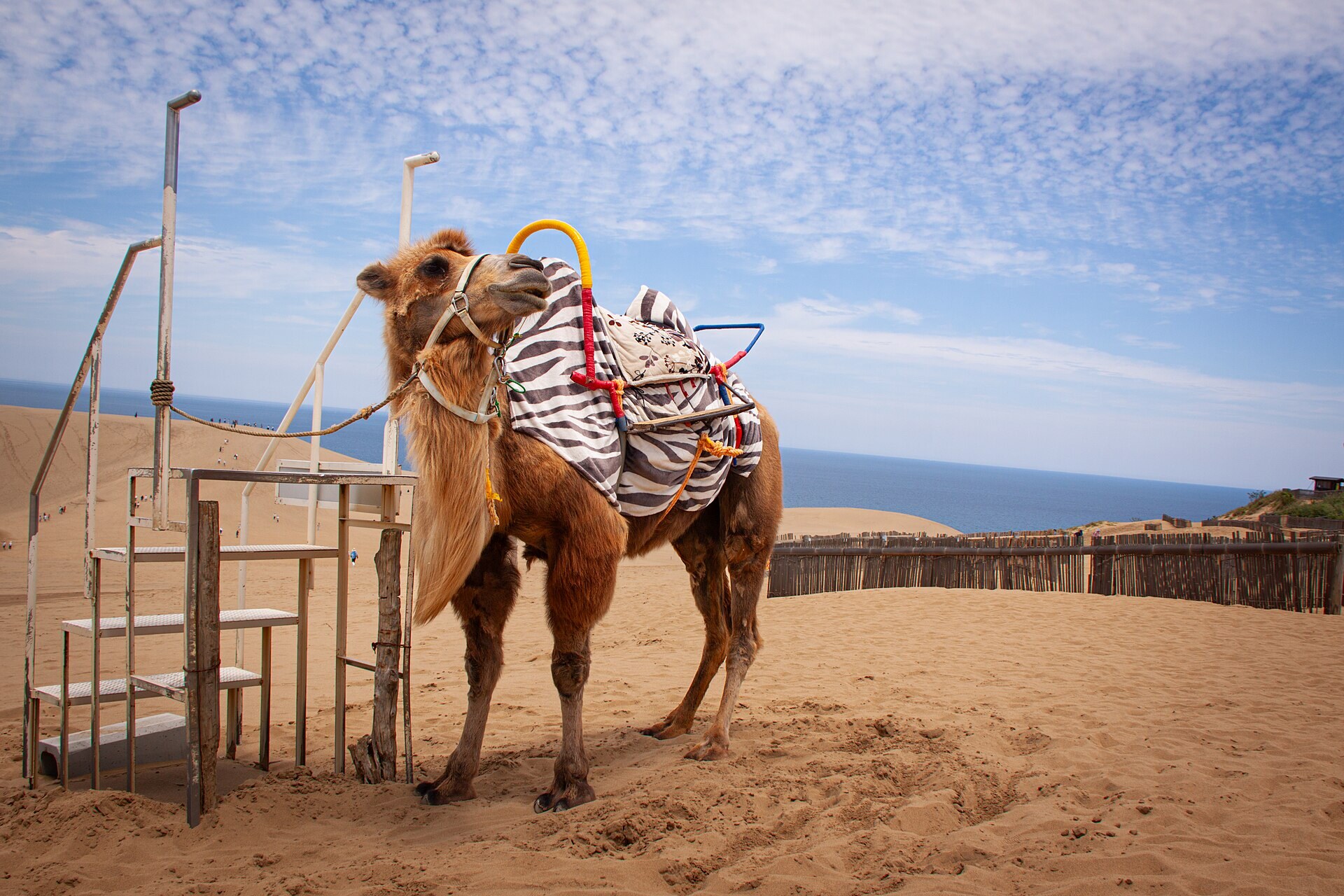
Japan's most photographed dromedaries pose and plod short loops at the entrance: kitsch, cheerful and somehow exactly right.

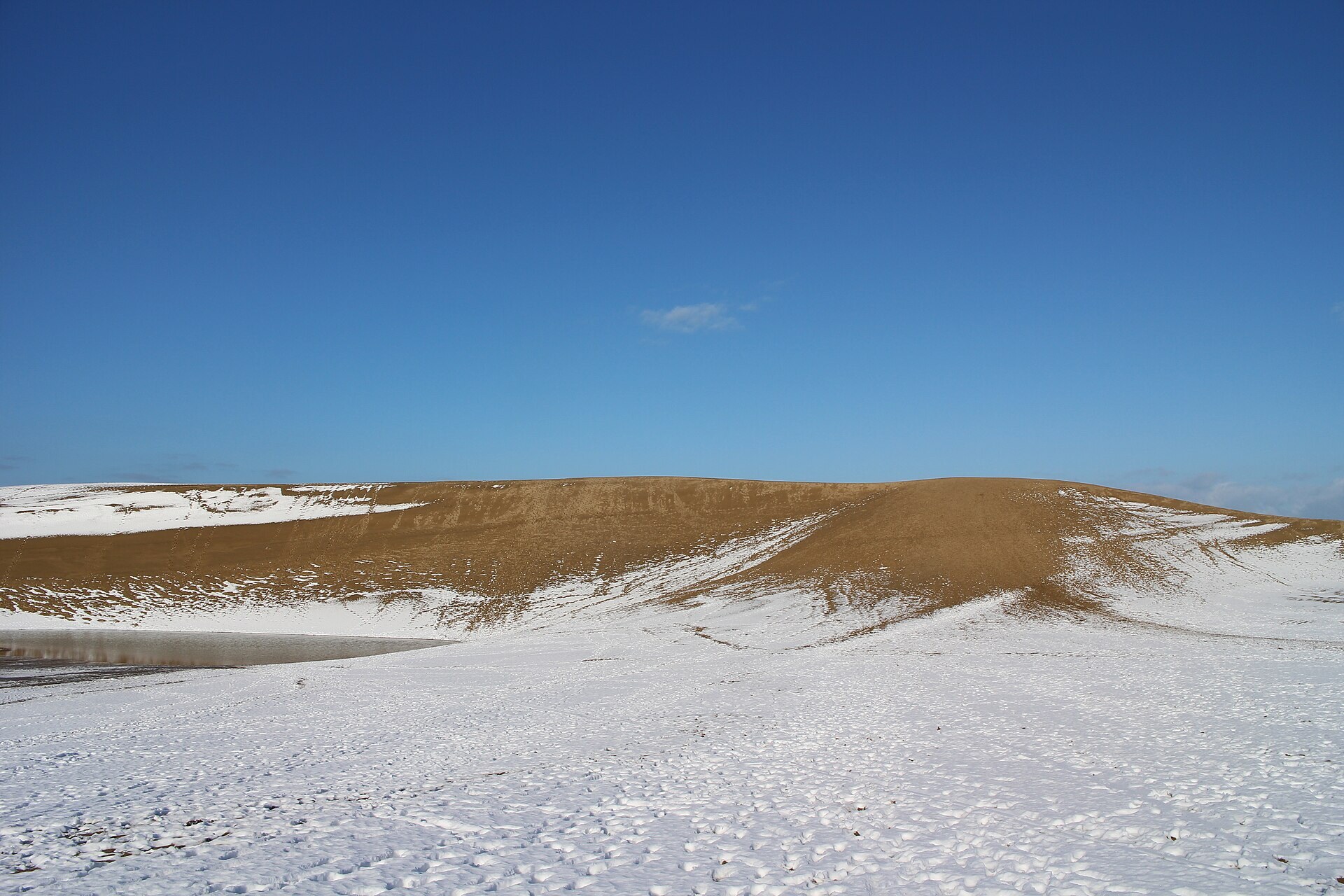
A few mornings each winter, the San'in snowbelt whitens the crests: sand, snow and sea in one frame, gone by noon.

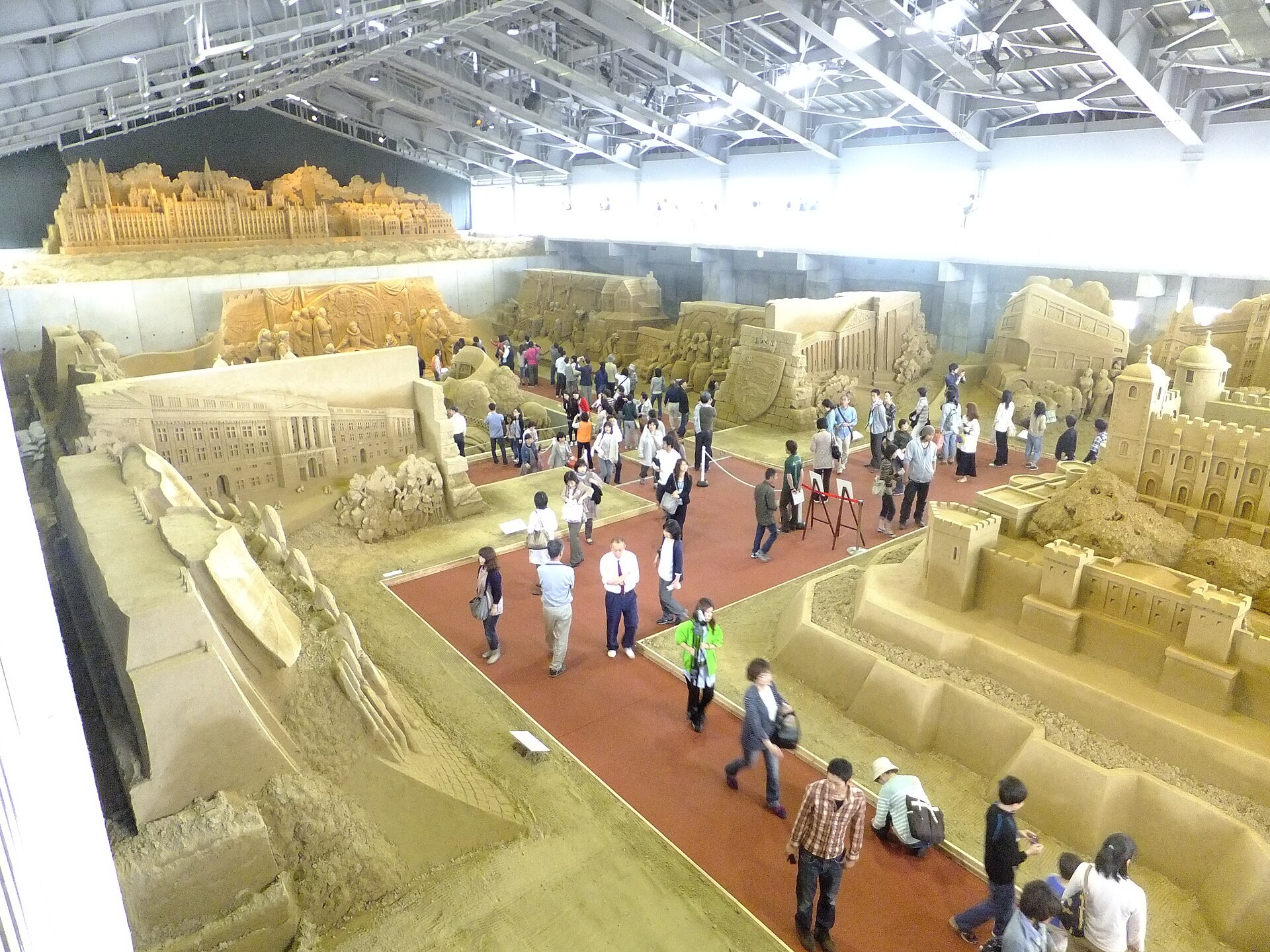
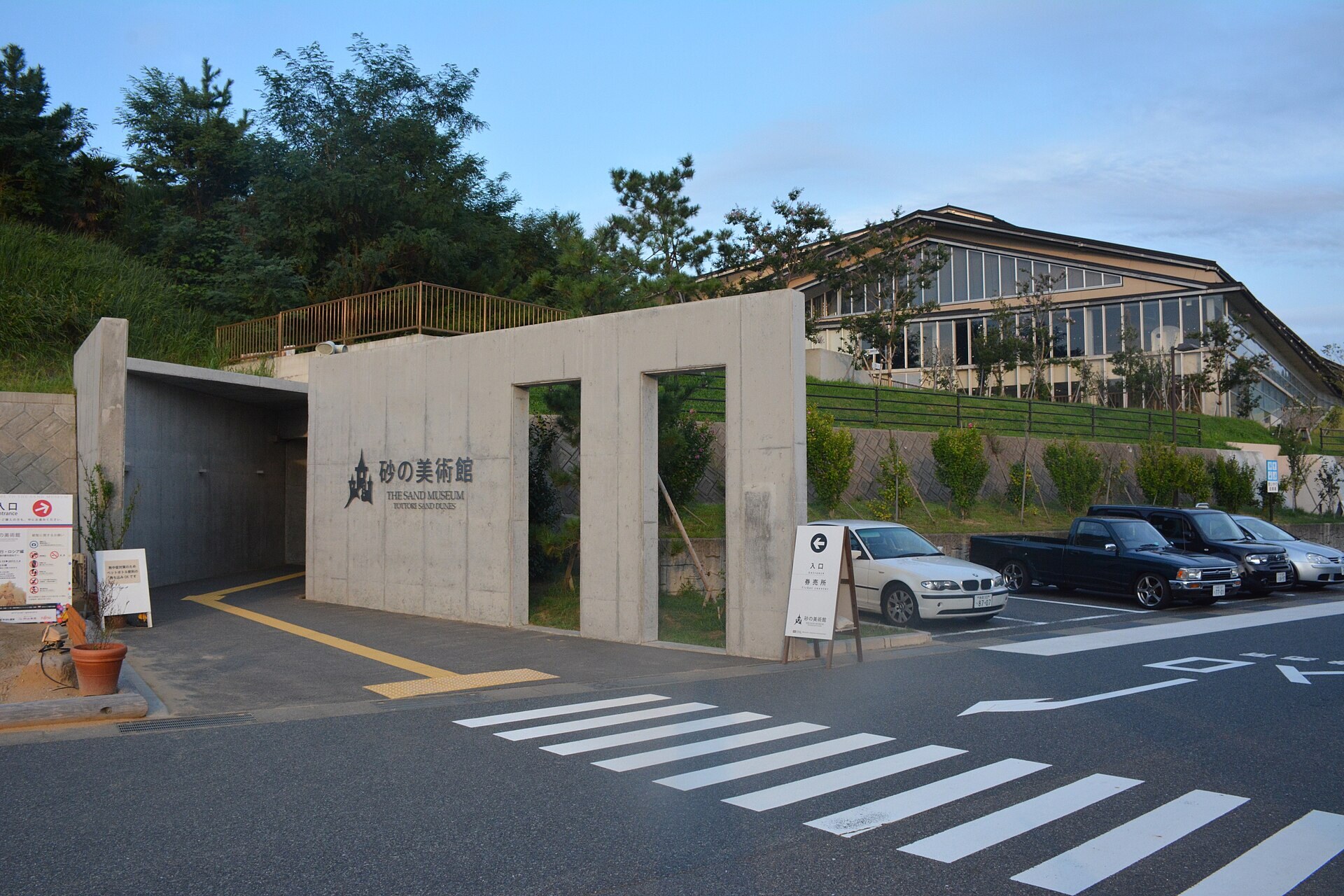
Each year a world team carves a new monumental exhibition from the dune's own sand, displays it for a season, then lets it return to the hill. Beside the dunes; unmissable.

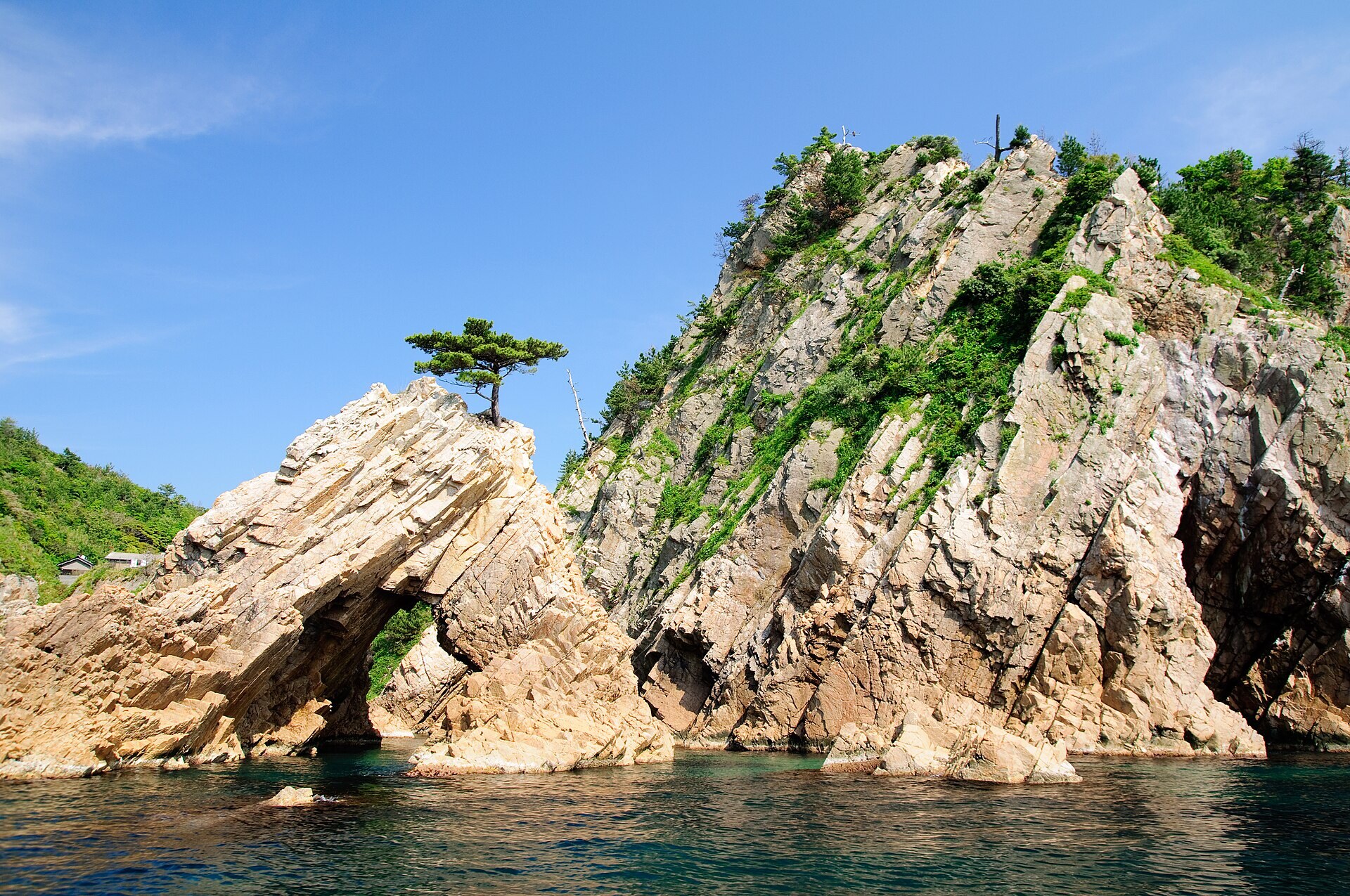
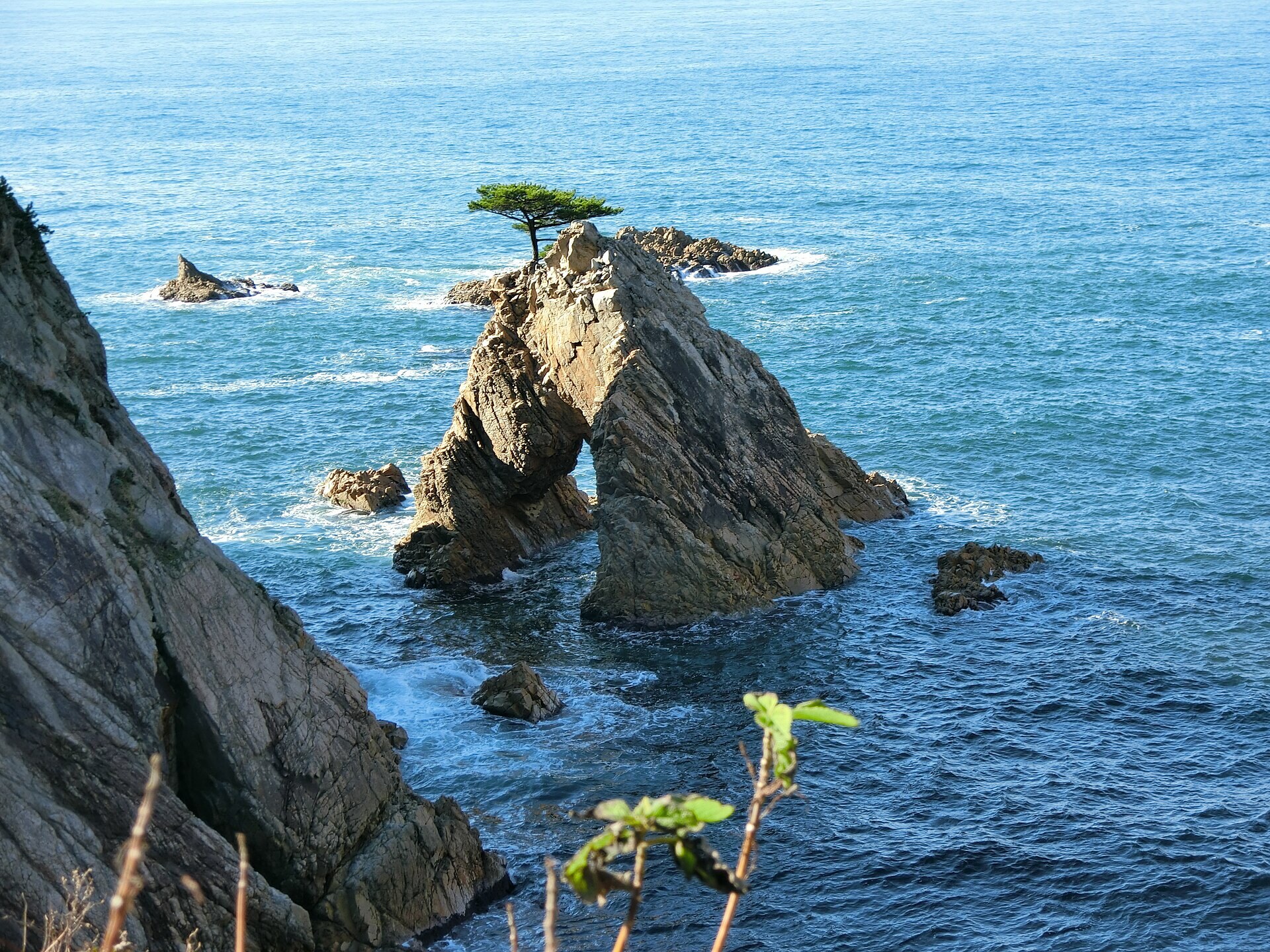
White coves, pine-crowned stacks and water clear to the kelp: see it from the sightseeing boat, or better, a sea kayak at cove level.

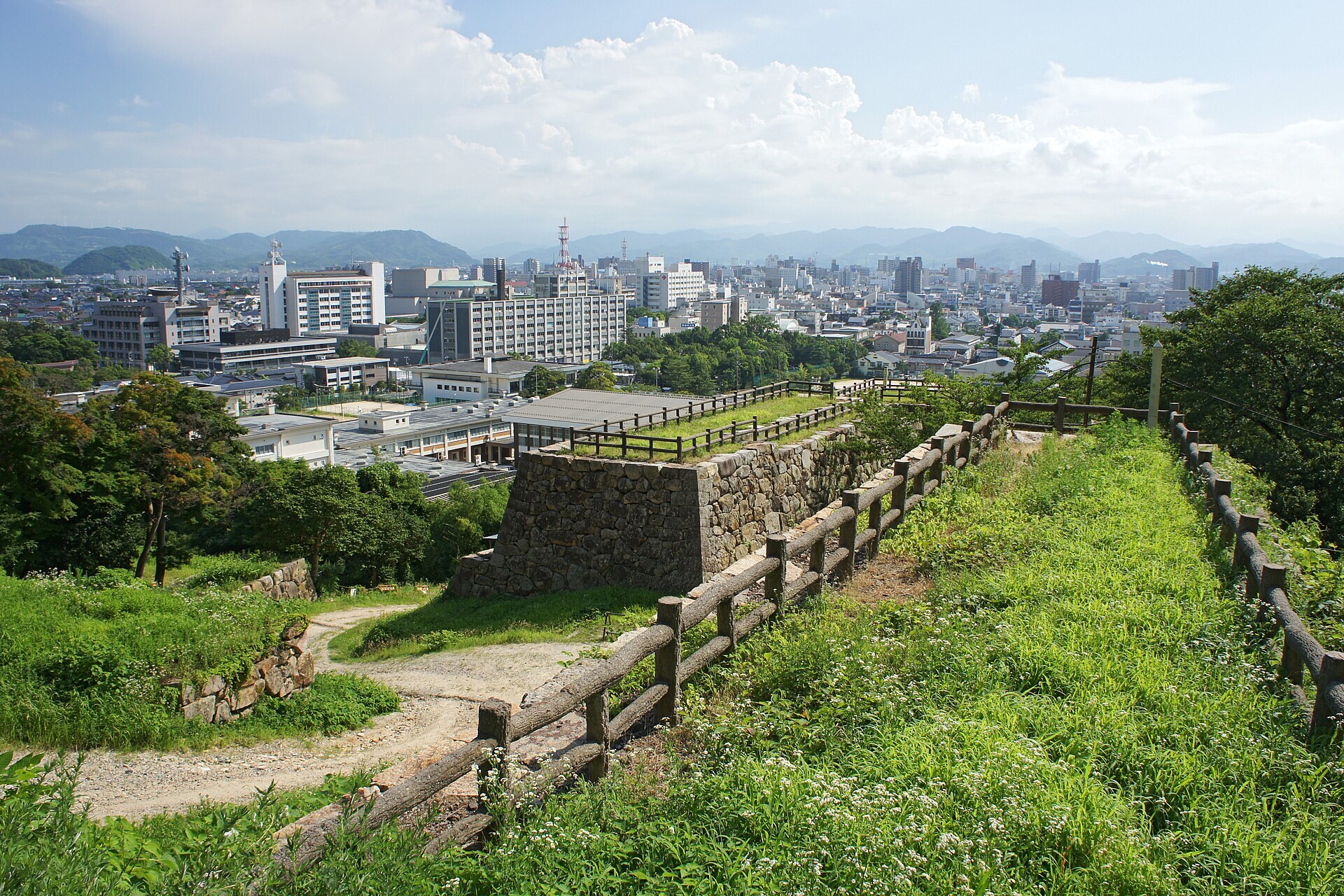
The hilltop castle ruins frame the city and coast; below, winter brings matsuba snow crab to every counter, the San'in's true religion.
Tottori rewards an overnight: the day-trippers arrive at eleven and leave at four, and the dunes' two best hours bracket exactly that window.
Morning on the horse's back before the heat and crowds, the Sand Museum at opening, Uradome sightseeing boat after lunch, castle sunset in town. The complete San'in sampler.
Paragliding and sandboard schools run on the dunes morning and evening; Uradome's kayak guides thread the arches at water level. Two landscapes, two sports, one day.
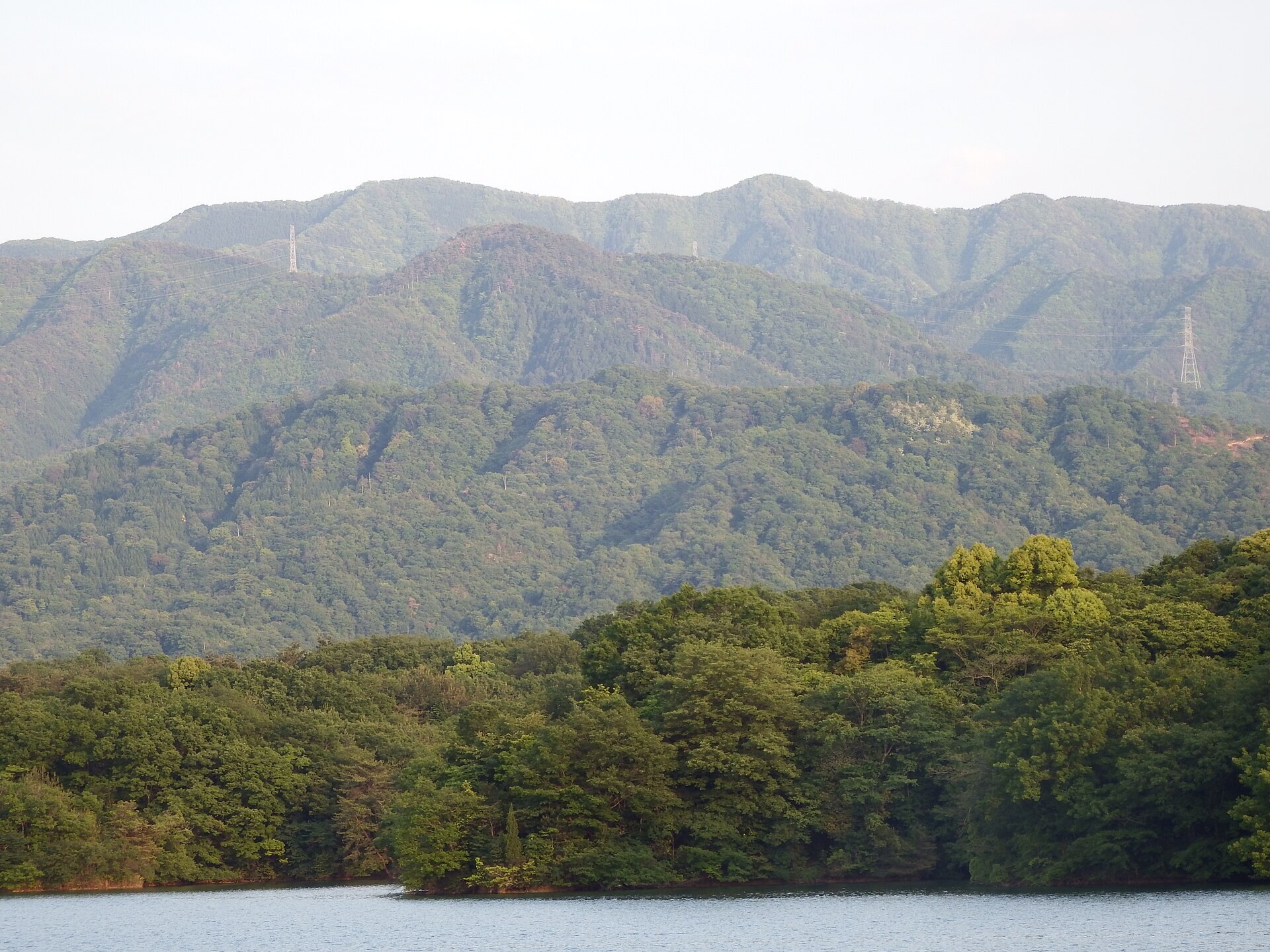
Westward lies the quiet Japan travellers claim to want: Misasa's radium baths and riverside ryokan, Kurayoshi's white-walled storehouses, and Mount Daisen's Fuji-like profile for a hiking day.
Tottori city puts the loop bus at your door; the dune-side hotels buy you the dawn bowl; Misasa adds the ryokan night the San'in does better than anywhere famous.
Practical pieces with the buses actually ridden and the sand actually in our shoes. New entries twice a week.

What to expect at Tottori's Sand Museum: hours, prices, the yearly theme, and why every sculpture is dismantled within a year.

A practical guide to kayak and glass-boat tours on the Uradome Coast: seasons, timings, what to bring, and how the geopark's cliffs look from the water.
Hashi photo, CC BY-SA 3.0Trains, loop buses, the dawn climb and the museum hour, assembled.

Coves, arches and the clear-water season, guide by guide.

How the world's only sand-sculpture museum carves a new show every year.
Super Hakuto express from Osaka/Kyoto (~2.5 h) or fly Haneda-Tottori (~1 h 15). Loop buses run station-dunes-museum-Uradome; the day pass pays for itself by the second ride.
Two hours covers the climb, the bowl and the oasis pond; add an hour for the Sand Museum next door. Dawn or the last two hours of light transform all of it.
Midday, yes, at the entrance: two hundred metres in, footprints thin dramatically. The paraglider launch area and the eastern crests are quiet even in August.
January-February mornings after a cold snap, melted by noon: check the webcams at breakfast and run. The rest of winter still gives moody skies and empty sand.
Winter: matsuba crab, the region's obsession. Year-round: Tottori wagyu, nijisseiki pear desserts, and the seafood counters around the station. Reserve crab dinners in season.