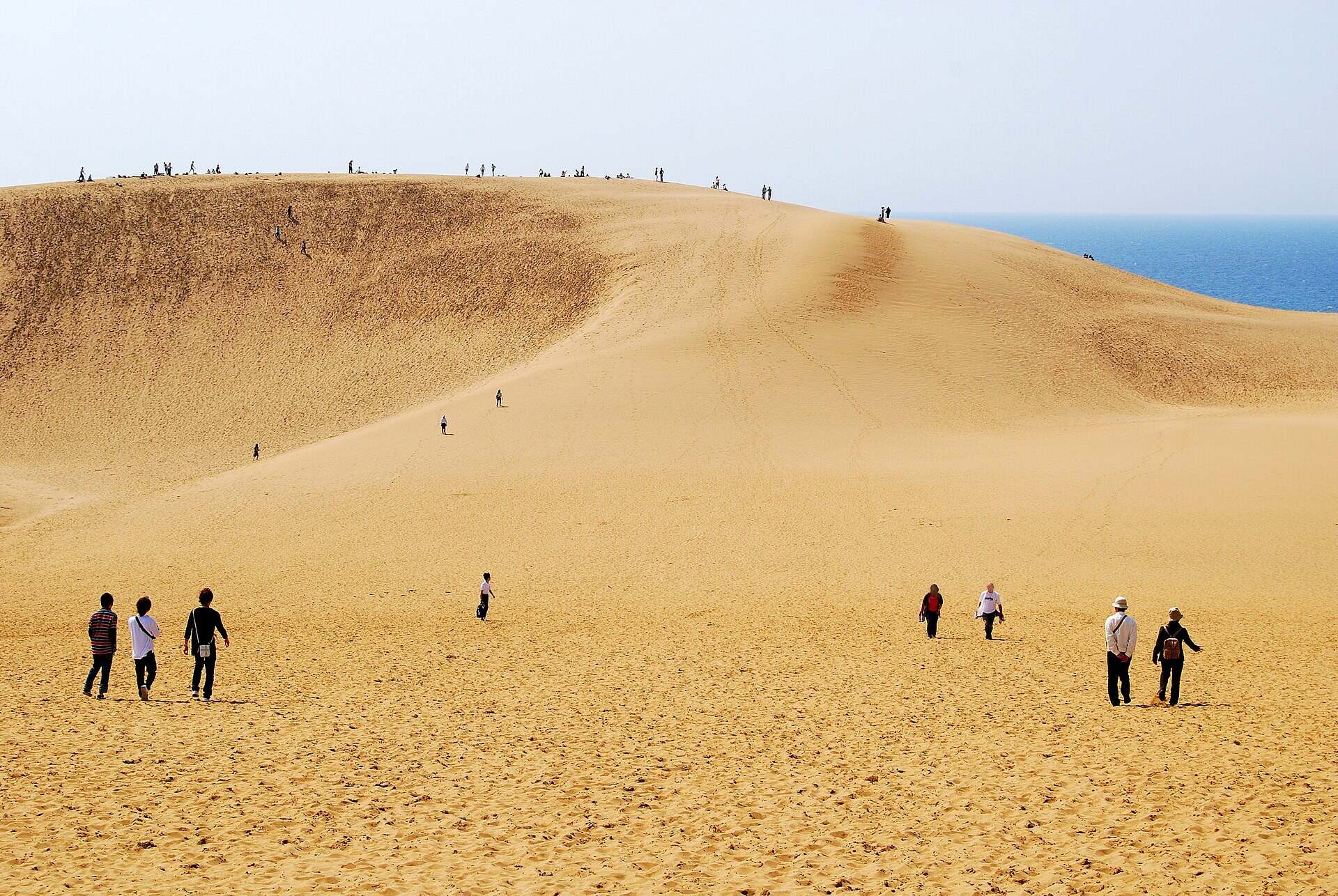
The Sand Museum sits a few minutes from the main dune entrance, close enough to visit on the same outing, different enough in mood to feel like a separate destination. Where the dunes are wind, silence, and geology measured in millennia, the museum is heat, crowds in peak season, and artistry measured in months. Sculptors arrive from abroad, work for weeks with nothing but sand, water, and hand tools, and produce pieces the size of a small house. A year later, the building is cleared and the sand goes back to being sand. That cycle is the whole point, and it shapes almost everything about a visit.
What the exhibition actually is
Each year the museum runs a single themed exhibition, usually built around a country or region (Italy, Egypt, Russia, and similar themes have appeared in past editions). Sculptures are arranged in a loop through one large indoor hall, roughly 15 to 20 pieces depending on the year, some reaching eight or nine meters in height. There is no climbing, touching, or flash photography near the works. Expect to spend 45 minutes to an hour moving through the hall at a normal pace, longer if you read every panel or wait for tripod shots.
Hours, tickets, and seasonal closures
The museum operates on a seasonal schedule that typically runs from spring through the end of the following winter, with a closure period for rebuilding the exhibition, usually in early spring. Opening hours generally fall between 9:00 and 17:00 or 18:00, with extended evening hours in midsummer. Adult admission is in the range of 800 to 900 yen, with discounts for students and children. Because the schedule and theme change annually, and closure dates shift from year to year, check the day's schedule before planning around it, especially if visiting in March or early April.
Why the sand actually holds its shape
Visitors often ask how loose sand can form standing figures taller than a house. The sand used is not beach sand but a finer, more angular material mixed with a small amount of water and compacted in stages, closer to how a sandcastle holds together but refined at industrial scale. No resin or hardener is used: the structural integrity comes purely from compaction and moisture, which is also why the works cannot survive outdoors or be preserved long term. Indoor climate control keeps humidity stable enough for the pieces to last through their exhibition year, but once the show ends, the sand is broken down and often reused for the next edition.
Photography without flash is allowed throughout the main hall. Bags above a certain size may need to go in lockers near the entrance. The museum shop and a café sit just outside the exhibition hall, useful for a break if visiting on a hot afternoon.
Combining it with the dunes
Most visitors treat the museum as a midday or late-afternoon addition to a dune visit, since the dunes themselves are best walked at dawn or near sunset when the light is low and the sand is cooler underfoot. A reasonable sequence is: dunes in the early morning, lunch nearby, museum in the early afternoon when the hall's air conditioning is a relief, then back to the coast for late light if time allows. The museum and the dune entrance are close enough to cover on foot in under fifteen minutes, or by the shuttle that links the main sightseeing points.
What first-time visitors tend to miss
The exhibition changes completely every year, so a photo from a previous visit will not match what is currently on display, a detail that surprises returning visitors. The hall can be genuinely cool, closer to 20 degrees Celsius in summer, which makes it a practical shelter from the midday heat on the dunes themselves. Weekday mornings right after opening tend to be quieter than weekend afternoons, particularly during Japanese school holiday periods in summer. Lastly, the gift shop sells small sand-art kits and prints of past exhibitions, a reasonable way to take home something related to a museum whose main exhibits are, by design, never for sale and never permanent.
Is it worth the detour
For anyone already at the dunes, the museum adds roughly one to two hours and a modest ticket price for a very different kind of spectacle: human craft rather than geological process, indoors rather than exposed to wind. It is less essential than the dunes themselves but complements them well, especially as a counterpoint to the natural landscape next door. Travelers short on time might skip it in favor of more dune walking; those staying a full day or two will likely find it a worthwhile, if temporary, addition to the itinerary.